

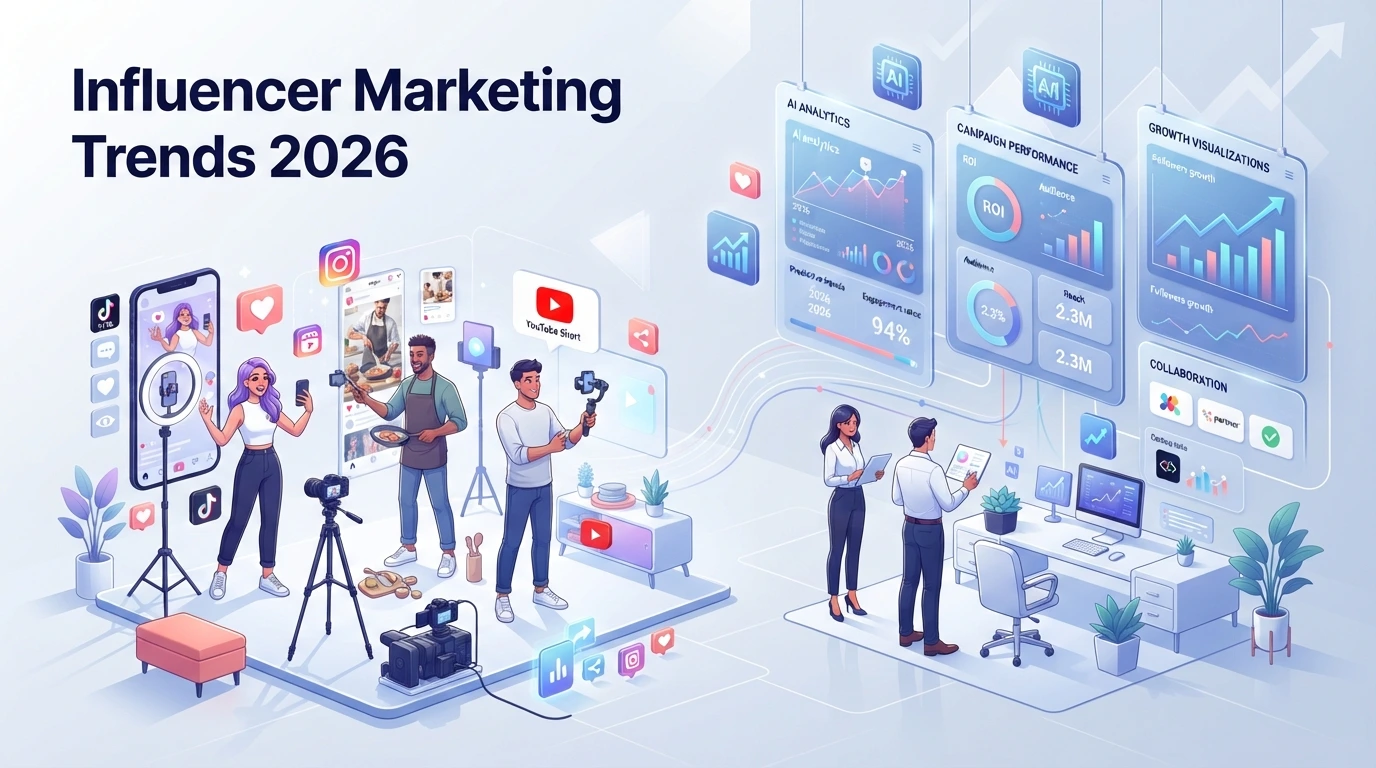
Influencer marketing trends 2026 show a channel that has moved past hype into a measurable, budget approved marketing line item.
The global influencer marketing market reached $32.55 billion in 2025, and brands are shifting spend toward smaller creators, AI powered tools, and video first content.
In this guide, you will learn:
- The 6 biggest influencer marketing trends shaping 2026
- Real budget, platform, and ROI data brands are using right now
- Which creator tiers deliver the strongest return
- How AI is changing campaign planning and measurement
- A simple framework for building your 2026 influencer strategy
Table of Contents
What Is Influencer Marketing?
Influencer marketing is a strategy where brands pay or partner with content creators to promote products to the creator’s audience.
Creators fall into 4 common tiers based on follower count:
- Nano influencers, under 10,000 followers
- Micro influencers, 10,000 to 100,000 followers
- Mid tier influencers, 100,000 to 500,000 followers
- Macro and celebrity influencers, above 500,000 followers
Brands use these partnerships for product launches, brand awareness, and direct sales through affiliate links and discount codes.
Why the Channel Keeps Growing
Influencer marketing has grown 19 times since 2016. The market moved from a projected $24 billion in 2024 to $34.1 billion in 2026, a 42% increase in two years.
This growth is not slowing down. More than 54% of brands plan to increase their influencer marketing budgets in 2026, citing measurable ROI as the main reason.
Influencer Marketing Trends 2026: The 6 Shifts to Watch
6 major trends are shaping how brands run influencer campaigns in 2026.
- Smaller creator tiers are absorbing more budget
- AI tools are handling creator discovery and content review
- Video content is outperforming static posts
- Disclosure rules are becoming mandatory in creator briefs
- B2B brands are adopting influencer marketing at a faster rate
- Attribution and ROI tracking are replacing follower count as the main metric
Each trend connects to a single theme. Brands want proof, not just reach.
Video Content Now Drives the Most Engagement
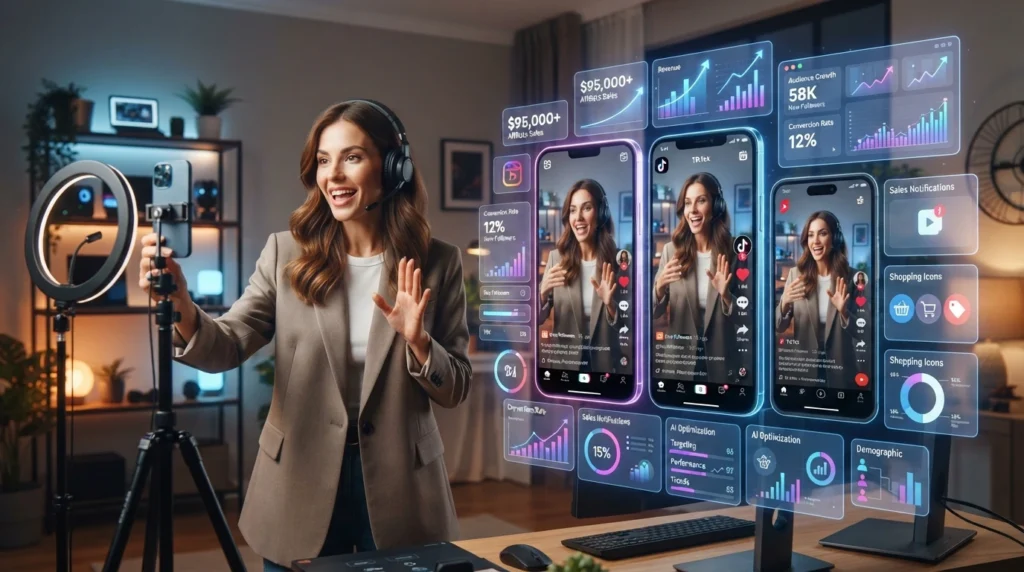
Short form video remains the top performing content type for influencer campaigns in 2026.
Platform preference data shows a clear ranking:
- Instagram, preferred by 57% of brands
- TikTok, preferred by 52% of brands
- YouTube, preferred by 37% of brands
Instagram also leads on measured ROI, delivering returns for 33% of brands. TikTok follows at 22%.
B2B Brands Are Catching Up Fast
B2B influencer marketing is no longer a niche tactic. 57% of B2B marketers already use AI to help create influencer content, and 44% name AI as the trend they are watching most closely.
LinkedIn expanded its creator tools in 2026, launching a Creator Marketplace to connect B2B brands with vetted creators directly inside Campaign Manager.
Micro and Nano Influencers Are Winning Budgets
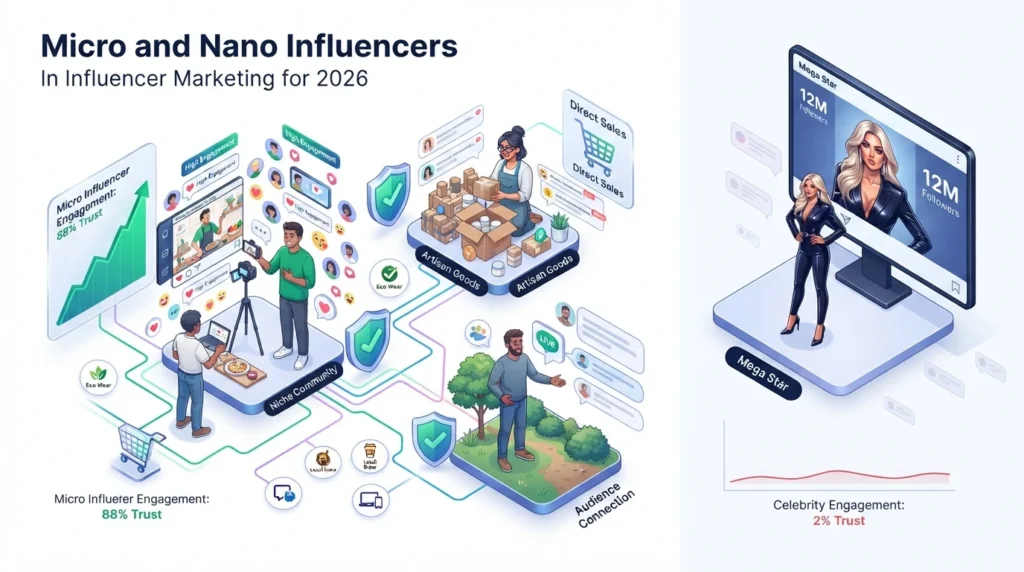
Micro and nano influencers now receive the majority of creator marketing budgets.
Roughly 80% of creator budgets flow to micro and nano creators instead of a small number of celebrity accounts.
3 reasons explain this shift:
- Smaller creators post higher engagement rates than large accounts
- Cost per post is significantly lower than celebrity partnerships
- Audiences trust smaller, niche creators more than broad celebrity endorsements
Nano and Micro Influencers by the Numbers
More than half of marketers report working primarily with nano influencers, at 27%, and micro influencers, also at 27%. A growing share of 32% of brands is investing in mid tier influencers for a mix of strong engagement and broader reach.
Trust Still Drives Purchase Decisions
Consumer trust remains the reason influencer marketing works. Around 69% to 70% of consumers say they trust influencer recommendations over traditional advertising.
In the United States specifically, a February 2026 Statista survey of U.S. adults found that 31% had tried a new restaurant because of an online creator, and 29% had purchased a product for the same reason.
AI Is Reshaping Influencer Campaigns
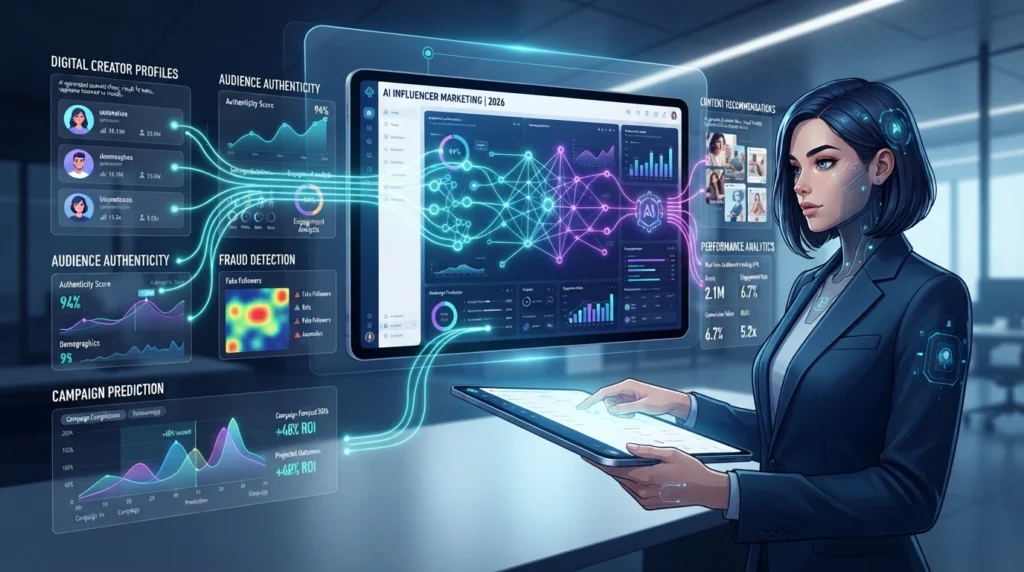
AI tools now handle 3 major tasks inside influencer marketing: creator discovery, fraud detection, and content performance prediction.
62% of brands use AI extensively in their influencer marketing programs, and 90% believe AI will deliver long term value to the channel.
AI Improves Campaign Performance
77% of brands report stronger performance when using AI assisted influencer marketing, and 37% describe the improvement as significant.
Brands using layered fraud detection, combining AI screening, manual audience audits, and performance based payment structures, report 89% lower fraud exposure than brands relying on follower counts alone.
Disclosure Rules Are Becoming Mandatory
New regulations require clear labeling when AI generated content or virtual influencers appear in sponsored posts. Brands now build disclosure language directly into creator briefs instead of treating it as an afterthought.
How Brands Measure Influencer Marketing ROI
Brands measure influencer marketing ROI using 4 core metrics: engagement rate, cost per acquisition, attributed sales, and audience growth.
The table below compares performance by creator tier.
| Creator Tier | Follower Range | Avg. Engagement Rate | Typical Use Case |
|---|---|---|---|
| Nano | Under 10K | Highest | Local and niche trust building |
| Micro | 10K to 100K | High | Product launches, budget campaigns |
| Mid tier | 100K to 500K | Moderate | Broader reach with strong engagement |
| Macro/Celebrity | 500K+ | Lowest | Brand awareness at scale |
Sales Attribution Is Improving
During Cyber Week 2025, influencer-driven spend jumped 51% year over year, while commission costs stayed flat. This data point shows brands increasingly track creators as a direct sales channel, not just an awareness tool.
91% of brands using influencer marketing report that creator content drives more ROI than traditional digital ads, according to 2025 media trends research.
Building an Influencer Strategy for 2026
A strong 2026 influencer strategy follows 5 steps.
- Define the primary goal, such as awareness, leads, or direct sales
- Choose creator tiers based on budget and trust requirements
- Prioritize video first content on Instagram and TikTok
- Set up AI assisted discovery and fraud screening before outreach
- Track attributed sales and engagement rate, not just follower count
Small Business Budgets Still Work
Small businesses do not need celebrity budgets to compete. Nano and micro influencer campaigns cost significantly less per post while delivering higher engagement than macro tier accounts.
Start with 3 to 5 nano influencers in your niche, then scale toward mid tier creators once attribution data confirms strong ROI, if you have a tight budget.
FAQ
What are the biggest influencer marketing trends for 2026?
The biggest trends include rising budgets for micro and nano influencers, heavier AI use in creator discovery and fraud detection, video first content, mandatory AI disclosure rules, and faster B2B adoption of influencer marketing.
Is influencer marketing still effective in 2026?
Yes, influencer marketing remains highly effective. The global market reached $32.55 billion in 2025, and 91% of brands using the channel report stronger ROI than traditional digital ads.
Are micro influencers better than macro influencers?
Micro and nano influencers typically deliver higher engagement rates and lower cost per post than macro influencers. About 80% of creator budgets now go to micro and nano tiers instead of celebrity accounts.
How is AI used in influencer marketing?
Brands use AI for creator discovery, fraud detection, and content performance prediction. 62% of brands use AI extensively, and layered AI fraud detection reduces fraud exposure by up to 89%.
Which social platform works best for influencer marketing?
Instagram remains the top platform. 57% of brands prefer it, and it delivers the highest measured ROI at 33%. TikTok follows closely, with 52% of brands preferring it and a 22% ROI share.
Do consumers still trust influencer recommendations?
Yes, roughly 69% to 70% of consumers say they trust influencer recommendations. In the United States, nearly a third of adults reported trying a new product or restaurant because of a creator in 2026.
Is B2B influencer marketing growing?
Yes, B2B influencer marketing is expanding quickly. 57% of B2B marketers already use AI to support influencer content, and LinkedIn launched a dedicated Creator Marketplace in 2026 to support B2B campaigns.
How much should a small business spend on influencer marketing?
Small businesses can start with 3 to 5 nano influencer partnerships, which cost far less per post than macro or celebrity deals while still delivering strong engagement rates.
Conclusion
Influencer marketing trends 2026 point toward a channel that runs on measurement, not guesswork.
Three takeaways matter most:
- Micro and nano influencers now receive the majority of creator marketing budgets
- AI tools are becoming standard for creator discovery, fraud detection, and performance prediction
- Video first content on Instagram and TikTok continues to outperform other formats
Brands that track attributed sales and engagement rate, instead of follower count alone, will capture the strongest return in 2026.
Ready to build a data backed influencer and digital marketing strategy for your brand? Book a Free Consultation with our team today.


